
"disrelish to earn"
143000 article(s) found

A brief introduction to the flavor, taste and aroma characteristics of Cajan coffee beans from Burundian Champion processing Plant
This is excellent news for countries that earn more than 80% of their foreign exchange earnings from coffee exports. Due to the abundant coffee growing season Rain Water and good field management, coffee production in 2004-2005 was significantly higher than that of last year. According to Burundian officials, the output of coffee beans this year will reach 36000 tons, a six-fold increase over last year (5600 tons).

West Damomo Lion King Coffee Bean Grind Scale Processing Variety Manor Area Introduction
Coffee is Ethiopia's most important export cash crop and the main source of foreign exchange earnings. Ethiopia's coffee exports account for about 3% of the world market share, making it the eighth largest coffee exporter in the world. Coffee exports increased steadily from 58,000 tons in 1990- 91 to 1995 - 96

Ethiopian Coffee Bean Grades Flavors Introduction
In Ethiopia, coffee classification and quality control systems are divided into producer, regional and national levels. All coffees are inspected by local inspection agencies before they leave the country of origin, and then re-inspected at coffee inspection and grading centres in Addis and Diredova to determine their quality grade. Coffee is graded prior to auction and sale, and all participants in production,

Yega Sheffield Coffee Flavor Coffee Flavor Manor production area introduces the sun Yega Chuefei
Coffee is Ethiopia's most important export cash crop and the main source of Ethiopia's foreign exchange earnings. Ethiopia's coffee exports account for about 3% of the world market, making it the eighth largest coffee exporter in the world. Coffee exports increased steadily from 58000 tons in 1990 to 110000 tons in 1995-1996 and remained at this level in the following years. 2001-2002

Introduction to the taste of grinding scale varieties of Ethiopian Sidamo coffee flavor description
Ethiopian Sidamo Coffee Flavor description method Grinding scale varieties taste introduction Coffee is Ethiopia's most important export cash crop and the main source of Ethiopia's foreign exchange earnings. Ethiopia's coffee exports account for about 3% of the world market, making it the eighth largest coffee exporter in the world. Coffee exports increased steadily from 58000 tons in 1990 to 1995-1996.

History of Origin and Development of Water-washed bourbon species in Kayanza Province of Burundi Burundi Bulundi Champion processing Plant
This is excellent news for countries that earn more than 80% of their foreign exchange earnings from coffee exports. Due to the abundant coffee growing season Rain Water and good field management, coffee production in 2004-2005 was significantly higher than that of last year. According to Burundian officials, the output of coffee beans this year will reach 36000 tons, a six-fold increase over last year (5600 tons).
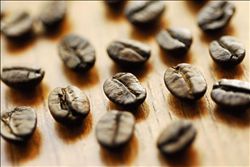
West Damomo Lion King Coffee Bean Flavor Description Processing Variety Characteristics Introduction to the region
Before 1974, the production, processing and trade of coffee were in private hands. Private farms were nationalized and smallholder coffee producers neglected during the military regime. In 1991, the Transitional Government of Ethiopia enacted a new economic policy to encourage private coffee exports. result,

Causes of coffee desolation in southeastern Ethiopia
The reason for the desolation of coffee in southeastern Ethiopia is Ethiopia. The grading and quality control system of coffee is divided into three levels: producer, regional and national. All coffee is inspected by local inspection agencies before leaving the country of origin, and then re-tested at the coffee inspection and grading centers in Addis and Diredawa to determine its quality grade. Coffee is divided before auction and sale

Ethiopia coffee beans grinding scale varieties of production area treatment method Manor introduction
In Ethiopia, coffee classification and quality control systems are divided into producer, regional and national levels. All coffees are inspected by local inspection agencies before they leave the country of origin, and then re-inspected at coffee inspection and grading centres in Addis and Diredova to determine their quality grade. Coffee is graded prior to auction and sale, and all participants in production, acquisition,

Flavor and taste of Burundian coffee beans the characteristics of Burundian coffee beans are introduced in the manor area.
After the price of Burundian Arabrica coffee was raised, the purchase price of fresh coffee in Burundi was adjusted from 120 Burundian francs / kg to 200 Burundian francs / kg, which is excellent news for countries where coffee export earnings account for more than 80 per cent of total foreign exchange earnings. Due to the abundance of Rain Water in the coffee growing season and good field management, 2004

Barista training certificate which baristas usually earn enough to cover the tuition fees?
Professional coffee knowledge exchange more coffee bean information please pay attention to the coffee workshop (Wechat official account cafe_style) now baristas can take a lot of certificates: 1, there are our national barista grade exam 2, European Fine Coffee Association (SCAE) certified barista examination, American Fine Coffee Association (SCAA) certified various examinations, now SCAA

Introduction to the description of Grinding scale Flavor of Coffee Variety produced by Coffee Farm in Ethiopia
Coffee is Ethiopia's most important export cash crop and the main source of Ethiopia's foreign exchange earnings. Ethiopia's coffee exports account for about 3% of the world market, making it the eighth largest coffee exporter in the world. Coffee exports increased steadily from 58000 tons in 1990 to 110000 tons in 1995-1996 and remained at this level in the following years. 2001-2002

What is the cooperation of the coffee-flavored Pearl Coffee Program of the Mushasha Cooperative in Rwanda?
Professional coffee knowledge exchange more coffee bean information please follow the coffee workshop (Wechat official account cafe_style) Luanda is located in the heart of the interior of Africa. Coffee was introduced by German missionaries in 1904. Since 1930, because coffee is the only income-earning crop for rural farmers, cultivation has flourished, whether it is Arabica harvested in March-June or May-June.

Introduction to the Flavor description, Grinding scale and Variety treatment of Ethiopian Coffee
Coffee is Ethiopia's most important export cash crop and the main source of Ethiopia's foreign exchange earnings. Ethiopia's coffee exports account for about 3% of the world market, making it the eighth largest coffee exporter in the world. Coffee exports increased steadily from 58000 tons in 1990 to 110000 tons in 1995-1996 and remained at this level in the following years. 2001-2002
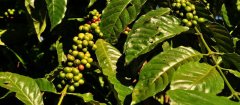
The export of Ethiopian coffee knows the main producing areas of Ethiopian coffee.
Coffee export coffee is Ethiopia's most important export cash crop and the main source of Ethiopia's foreign exchange earnings. Ethiopia's coffee exports account for about 3% of the world market, making it the eighth largest coffee exporter in the world. Coffee exports increased steadily from 58000 tons in 1990 to 110000 tons in 1995-1996 and remained at this level in the following years. two

Brief introduction of planting Flavor description and processing method of Coffee Bean Flavor of Sidamomo Lion King
Although the Ethiopian Yirgacheffe coffee is petite, it is gentle and delicate and sweet. As the hometown of coffee, thousands of years of planting history and processing tradition in Ethiopia have created high-quality washed Arabica beans. Light baking has unique sweet aromas of lemon, flowers and honey, soft acidity and citrus flavors, fresh and bright on the palate. No.

Coffee leaf rust strikes-Central American coffee producers suffer heavy losses
Coffee leaf rust, which begins to spread among coffee trees as small yellow spots, will soon turn coffee leaves into a pile of dead leaves.

Introduction to the characteristics of the Coffee Flavor description method of Sidamomo Lion King Gucci in Ethiopia
Sidamo boutique Coffee Bean won 92 and 94 points from the authoritative coffee review website Coffee Review in 2010 and 2012. The producing area belongs to volcanic soil with rich nutrients and good drainage. These fertile nutrients are maintained by the degradation of natural organic matter. This batch is located at Sirsa Cooperative Office near Dilla town.

The characteristics of Ethiopian Coffee Flavor and Taste Manor introduce the varieties of Ethiopian coffee
The natural characteristics of coffee beans include large coffee beans.

Sitama Coffee Flavor Description Characteristics Taste Treatment Method Production Area Grinding Scale Variety Introduction
Coffee is Ethiopia's most important export cash crop and the main source of Ethiopia's foreign exchange earnings. Ethiopia's coffee exports account for about 3% of the world market share, making it the eighth largest coffee exporter in the world. Coffee exports increased steadily from 58,000 tons in 1990- 91 to 1995 - 96